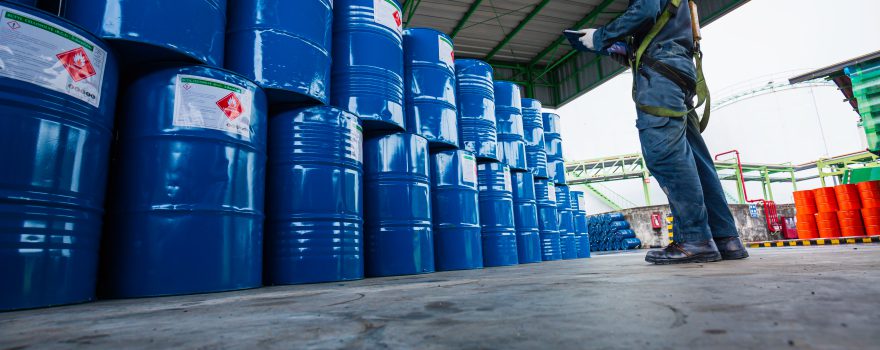
While the average person rarely thinks about what happens after a chemical drum leaves a loading dock, the infrastructure behind hazardous waste disposal is one of the most highly regulated and technically demanding sectors in the world. It is a silent network of specialized chemistry and rigorous logistics designed to act as a buffer between industrial output and the natural environment.
The Anatomy of a Hazardous Waste Disposal Facility
A modern hazardous waste disposal Baton Rouge, Louisiana site is far from a simple “dump.” These are sophisticated Treatment, Storage, and Disposal Facilities (TSDFs) that function like high-tech processing plants. To manage hazardous waste disposal safely, these facilities are built with multiple redundant safety layers:
-
Leachate Collection Systems: Beneath the disposal cells, a network of pipes collects any liquid that filters through the waste, ensuring it is treated rather than reaching the groundwater.
-
Vapor Recovery Units: During the hazardous waste disposal process, volatile organic compounds (VOCs) are captured and scrubbed to prevent atmospheric pollution.
-
Stabilization Zones: Before final hazardous waste disposal, many liquids are mixed with fly ash or lime to turn them into a solid, stable “monolith” that won’t leak over time.
Classification: The First Rule of Hazardous Waste Disposal
You cannot solve a problem you haven’t identified. The science of hazardous waste disposal New Orleans, Louisiana relies on a strict categorical system to dictate handling protocols. Wastes are primarily organized into four major lists.
The F-List covers wastes from non-specific sources, such as common solvents used in degreasing or industrial cleaning; because these are often highly volatile, they typically require high-temperature thermal destruction. The K-List is more specific, targeting wastes from particular industries like petroleum refining or pesticide manufacturing, which often require specialized chemical stabilization before they can be safely stored.
For commercial products, the P and U Lists identify discarded chemical products in their unused form – such as a batch of expired pharmaceuticals or a spilled container of laboratory grade chemicals. These lists are particularly critical for hazardous waste disposal because even a small quantity can be considered acutely hazardous, requiring specialized neutralization and a rigid “cradle-to-grave” paper trail to ensure they never enter the standard municipal waste stream.
The Safety Protocol: Packaging and Containment
The journey of hazardous waste disposal Schreveport, Louisiana begins with the container. It is a common misconception that any drum will do. In reality, regulatory bodies mandate specific performance-oriented packaging.
For high-risk hazardous waste disposal, “Overpack” drums are used – essentially a secondary, larger container that houses a leaking or fragile primary drum. Every container must be paired with a safety data sheet that provides emergency responders with a “playbook” for the chemicals involved should an accident occur during the hazardous waste disposal transit.
Liability and the “Cradle-to-Grave” Rule
Perhaps the most critical aspect of hazardous waste disposal Baltimore, Maryland is the legal doctrine of permanent liability. Under modern environmental laws, the “Generator” (the company that created the waste) remains responsible for that waste forever. Even after the hazardous waste disposal is complete and a certificate of destruction is issued, if that disposal site ever leaks in the future, the original generator can be held financially liable for the cleanup.
This makes the choice of a hazardous waste disposal partner a “make-or-break” decision for corporate longevity. Skimping on the quality of hazardous waste disposal today can lead to bankruptcy-level lawsuits decades down the line.
Small Quantity Generators: A Common Pitfall
Many small businesses – auto shops, dry cleaners, and dental offices – erroneously believe they are exempt from strict hazardous waste disposal Minneapolis, Minnesota rules. However, “Small Quantity Generators” (SQGs) are still required to identify their waste and ensure it reaches a permitted hazardous waste disposal facility. Ignoring these rules often leads to heavy local municipal fines and environmental contamination.
By viewing hazardous waste disposal as a vital utility rather than a burdensome cost, organizations can ensure they are contributing to a circular, safe, and sustainable industrial economy.